Concept before shortcut
Children see and touch an idea, with paper, rotis or blocks, before learning the quick rule.
Read more →Clear, hands-on maths and science lessons built around real objects, everyday examples and short daily practice, so your child truly understands before they race.
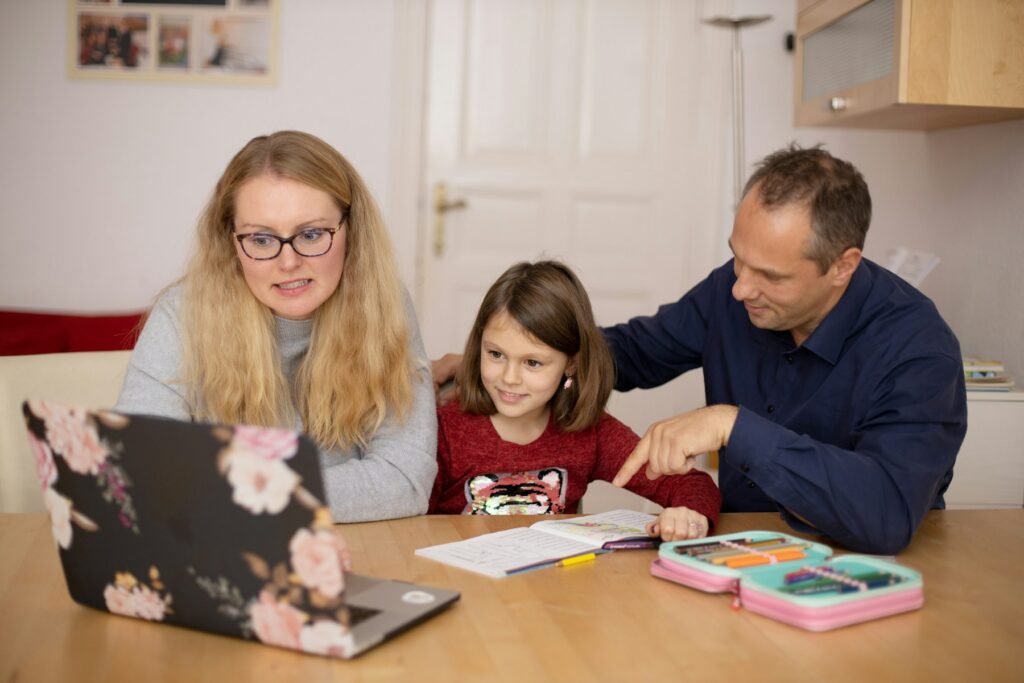
Simple principles that make maths and science stick, at any kitchen table.
Children see and touch an idea, with paper, rotis or blocks, before learning the quick rule.
Read more →Timed practice comes only once accuracy is reliable, so speed is built on real understanding.
Read more →About 15 minutes a day beats a long weekend session. Small, steady steps are what stick.
Read more →Cricket overs, pocket money and shared laddoos make abstract ideas feel obvious.
Read more →A predictable rhythm helps children feel confident, and makes teaching easier for you.
Fold it, cut it, pour it, build it. The idea starts with real objects.
Draw it, count it and write it out in full, so every step makes sense.
Now the quick rule, with a phrase that makes it easy to remember.
The two or three errors children make most often, named out loud.
A short, friendly race against yesterday's score, once accuracy is solid.
Floating eggs, fizzing reactions and liquid layers, with the reasons behind them.
How everyday tools and simple code work, explained step by step.
Design, build, test and improve: towers, bridges and simple machines.
Fractions with rotis, overs and pocket money, from first ideas to fast recall.
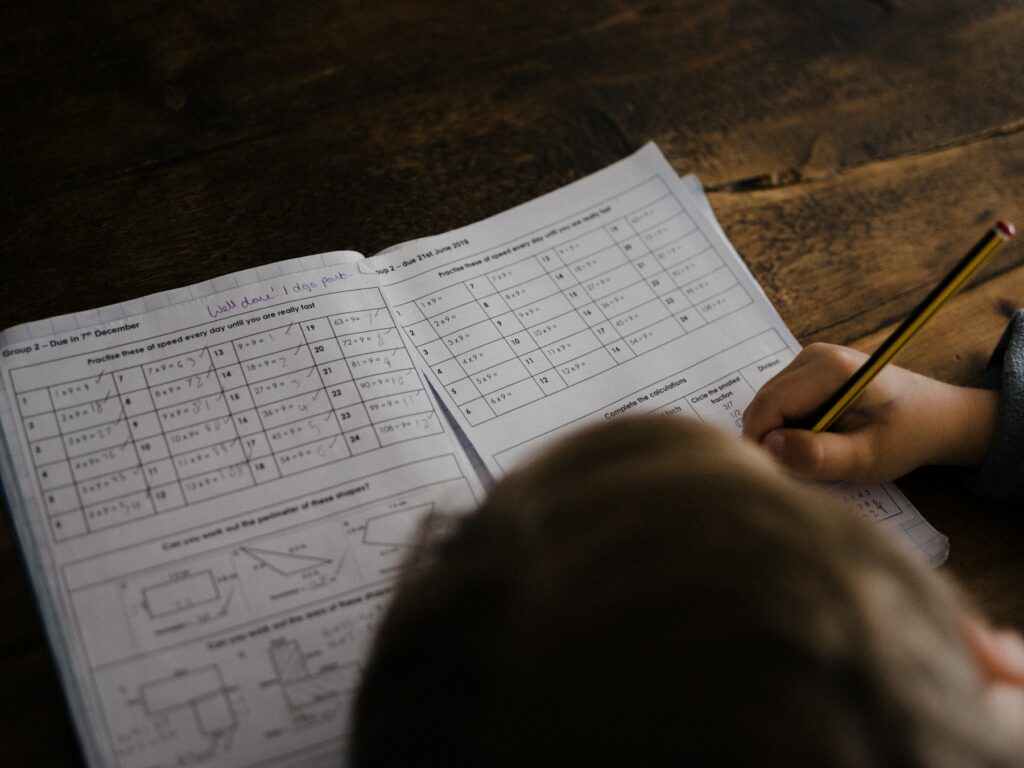
Our lessons are written for the parent as much as the child. Open one, gather a few things from around the house, and follow along.
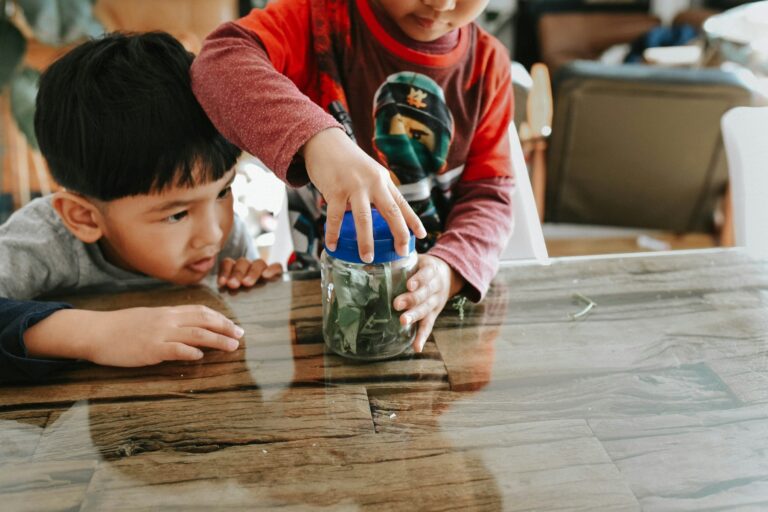
Fractions make sense when they show up in a child’s real world. Simple ways to teach halves, quarters and equivalent fractions using food, sport and money.
Read article →
You don't need a lab to teach real science. These five experiments use everyday kitchen items, and each one comes with a question to ask and the science behind it.
Read article →
Children learn more from small, regular sessions than from long, occasional ones. Here is how to build a daily STEM habit that fits real family life.
Read article →Practical activities and teaching tips for learning STEM at home, sent when there's something new worth reading.
No spam. Just useful ideas for teaching at home.