
Be a real scientist in your kitchen
- Always do experiments with a grown-up. 👪
- Keep vinegar and salt water away from your eyes. 👀
- Do not eat or drink your experiments. 🚫
- Clean up together at the end. 🧽
Scientists do 3 things:
Guess what will happen. Watch carefully. Then explain why. That is science!
Tap each card to see what the word means.
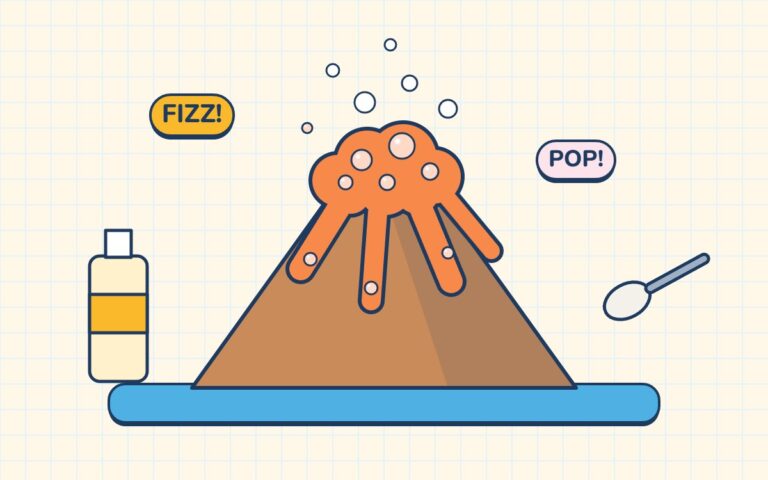
🌋 1. Fizzing volcano
- Put 1 spoon of baking soda in the cup.
- Pour in a little vinegar.
- Watch!
🤔 Guess first: What will happen when they mix?
Full guide and free printable: Baking Soda and Vinegar Volcano for Kids🥚 2. The floating egg
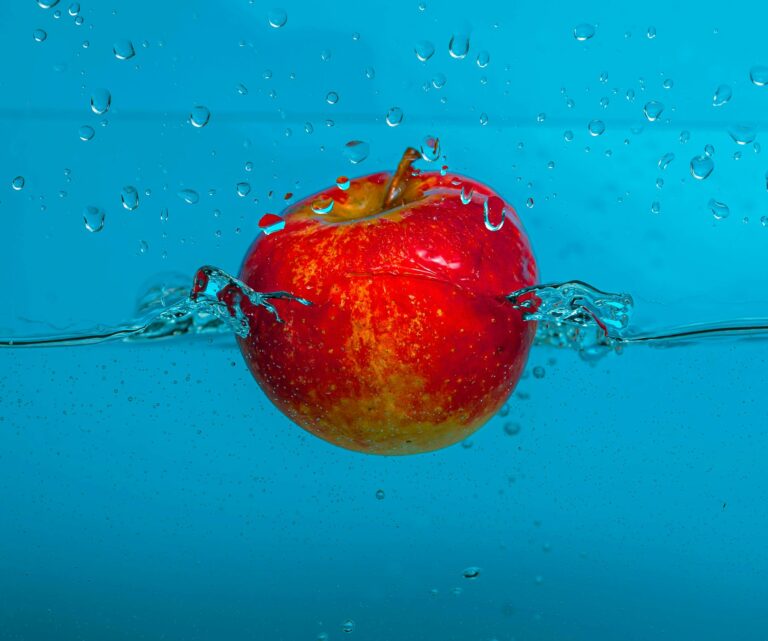
- Put the egg in the water. It sinks!
- Take the egg out. Stir in about 6 big spoons of salt.
- Put the egg back in.
🤔 Guess first: Will the egg float now?
Learn the science: Sink or Float? A Simple Science Experiment for Kids🌈 3. Rainbow layers
- Pour in the honey first.
- Slowly pour in the coloured water.
- Slowly pour in the oil.
🤔 Guess first: Which liquid will be on top?
Learn the science: Sink or Float? A Simple Science Experiment for Kids🥬 4. Thirsty celery
- Put lots of food colouring in the water.
- Stand the celery in the glass.
- Wait a few hours, or until tomorrow.
🤔 Guess first: Where will the colour go?
More Living Things activities🧊 5. Lift the ice
- Put the string on top of the ice cube.
- Sprinkle a little salt on it.
- Wait 1 minute. Then lift the string gently.
🤔 Guess first: Can you lift the ice with only the string?
More Materials & Matter activitiesSay your answer out loud. Then tap the card to check!
Great job, scientist!
You guessed, watched and explained. That is real science!
Ask “What do you think will happen?” before every experiment and “Why?” after it. Then let your child change one thing, such as more salt or warm water, and compare the results. Please stay close by for every experiment.
Try next: Why Do Leaves Change Colour? (find the hidden colours in a leaf).
Love the floating egg? Try the Sink or Float Challenge with a free printable record sheet.
❓ Questions parents ask
Are these kitchen experiments safe for kids?
They use everyday kitchen items, but a grown-up should always help. Keep vinegar and salt water away from eyes, do not eat or drink the experiments, and clean up together at the end.
Why do baking soda and vinegar fizz?
They react together and make a gas called carbon dioxide. The fizz and bubbles are that gas escaping.
Why does an egg float in salty water?
Salt makes the water denser. When the water is denser than the egg, the egg floats. In plain tap water, the egg is denser, so it sinks.
Did you finish?
Press the button to collect your First Experiment badge.