
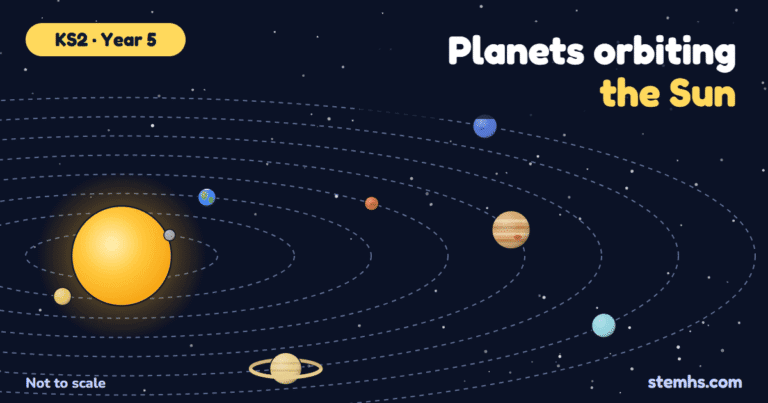
Science Lab
Easy science experiments for kids at home, using baking soda, vinegar, water, salt and leaves.
Topics in the Science Lab
- Materials & Matter Float, sink, mix and dissolve. Find out how stuff behaves. 4 activities
- Chemical Reactions Fizzing, bubbling changes that make something new. 2 activities
- Living Things Plants, animals and the human body. 2 activities
- Forces & Motion Pushes, pulls, gravity and friction. 1 activity
- Earth & Space Weather, rocks, the Sun and the planets. 8 activities
- Physics Simulators 1 activity
- Physics Coming soon
All activities in the Science Lab
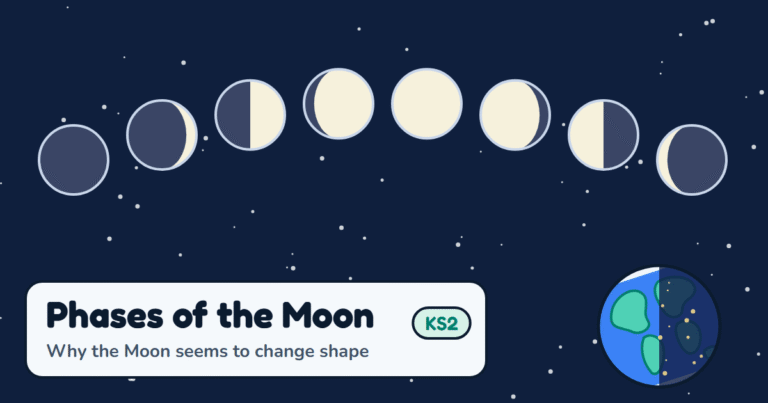
Phases of the Moon KS2: Why the Moon Changes Shape
Learn the 8 phases of the Moon for KS2. Move the Moon in a free 3D model, then try a quiz, a matching game and 5 free printable worksheets.Age Ages 9 to 10 (KS2, Year 5)Time 25 minutesLevel EasyRead the guide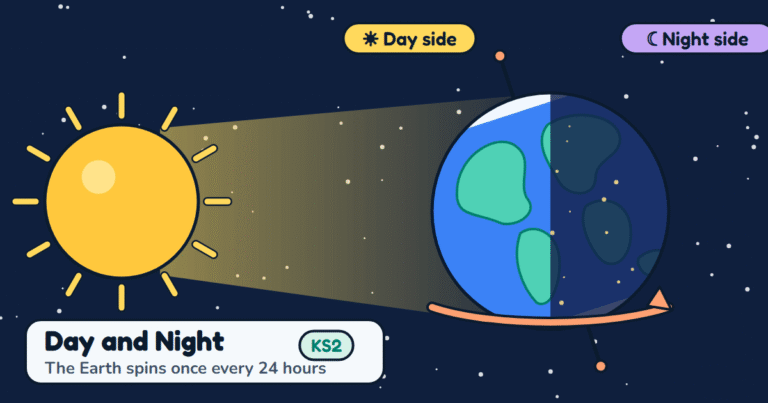
KS2 Day and Night Interactive Model: Spin the Earth and See Why
Spin a free 3D Earth and see what causes day and night. KS2 interactive model with challenges, a quiz, flashcards, a matching game and a free worksheet.Age Ages 9 to 11 (KS2, Years 5 and 6)Time 20 minutesLevel EasyRead the guide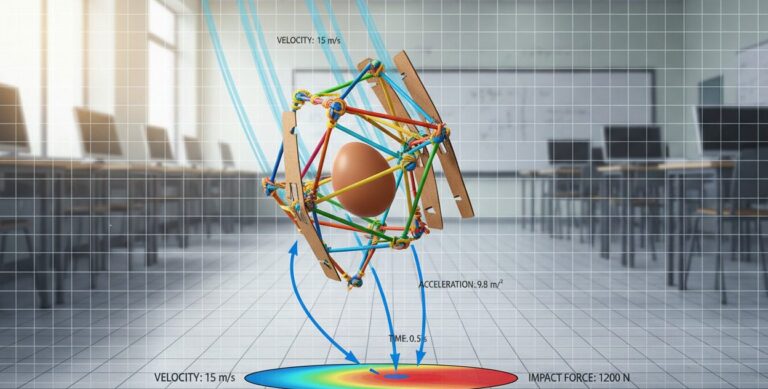
Interactive Egg Drop Challenge Simulator
Want to test your egg drop design without wasting real eggs? Use our free virtual Egg Drop Simulator to test gravity, impact force, and cushioning materials. 🥚 EGG…Age Ages 8 to 14Time 15 minutesLevel EasyRead the guideDIY Water Filter Challenge for KS3: Build, Test and Measure
Build a multi-layer DIY water filter, test four designs with real data, try a free simulator and print the KS3 work log. Ages 11–14, 45–60 minutes.Age Ages 11–14 (KS3)Time 45–60 minutesLevel MediumTry this activity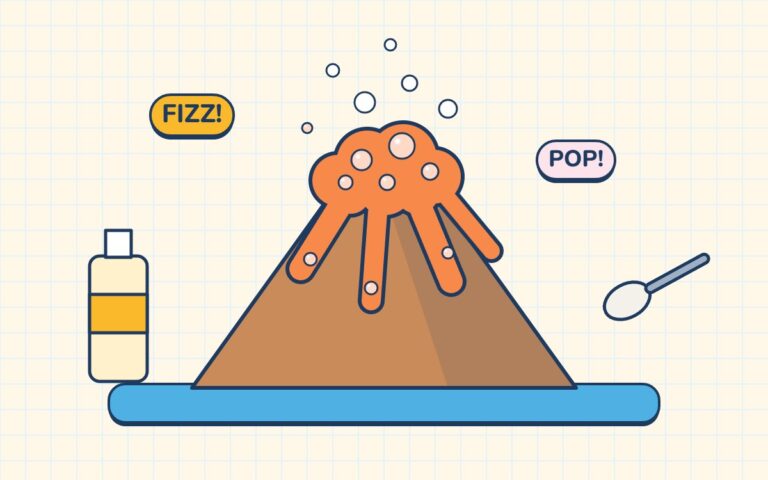
Baking Soda and Vinegar Volcano for Kids
Make a baking soda and vinegar volcano with kids aged 5–10. Easy steps, why it fizzes, a fair test and a free printable record sheet in simple English.Age Ages 5–10Time 20 minutesLevel EasyTry this activity
Sink or Float? A Simple Science Experiment for Kids
Will it sink or float? Test 8 things from your home, guess first, then find out. A simple science experiment with a free printable record sheet.Age Ages 5–9Time 20 minutesLevel EasyTry this activity
Why Do Leaves Change Colour? The Hidden Colours in Every Leaf
Leaves hide yellow and orange all summer! Find out why leaves change colour in autumn, why they fall, and see the hidden colours with a leaf experiment.Age Ages 5–12Time 15 minutes + waitingLevel EasyTry this activity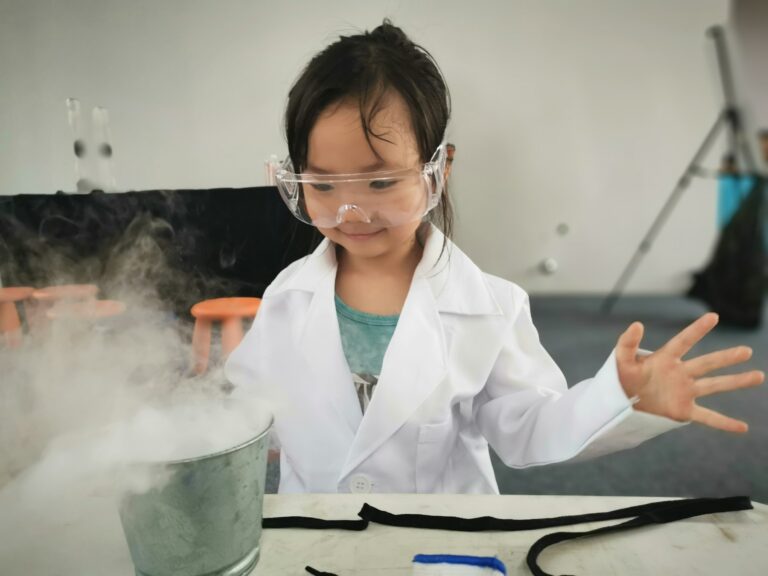
5 Kitchen Science Experiments You Can Do Today!
Fizz, float, layer and lift! Five easy science experiments with things from your kitchen. Guess first, then find out!Age Ages 6–11, with a grown-upTime 10 minutes eachLevel EasyTry this activityNo activities match these filters. Try another choice.
Easy science experiments for kids at home
Every experiment in the Science Lab uses things you already have: baking soda, vinegar, a bowl of water, salt, leaves from the garden. Each one tells you the age, the time it takes and what you need before you start, so you can pick one in a minute and begin.
The experiments are written in simple English for children, with a short guide for the grown-up. Most come with a free printable record sheet, so your child can predict, test and write down what happened.
Fizz, foam and new materials
Mix two things and make something new. The baking soda and vinegar volcano shows a chemical reaction making a gas you can see, then turns it into a fair test with 2, 4 and 6 spoons of vinegar.
Floating, sinking and melting
Start with the sink or float experiment: predict, test and sort everyday objects. Then try the floating egg in salt water, and use salt and string to lift an ice cube.
Plants and leaves
Find out why leaves change colour with a leaf colour hunt and leaf chromatography. Then watch coloured water climb up a stick of thirsty celery.
Which experiment for which age?
| Age | Start with | What your child practises |
|---|---|---|
| 5 to 7 | Sink or float, leaf colour hunt | Predicting, sorting and describing what they see |
| 8 to 10 | Volcano fair test, floating egg | Changing one thing and measuring the result |
| 11 to 12 | Volcano ratios, leaf chromatography | Comparing mixes, repeating tests and explaining results |
For the topics children learn in each school year, see our STEM home learning guide by year.
Turn any experiment into a science fair project
- Ask one question you can test. For example: does more vinegar make the volcano fizz for longer?
- Change only one thing. Keep everything else the same.
- Measure it. Count seconds, coins or centimetres, not just "big" or "small".
- Test it 3 times. Use the middle number, then show it in a table and a bar chart.
Our free Fair Test Planner walks through these steps on one page.
Safety at the kitchen table
- A grown-up stays close for every experiment.
- Never taste the mixtures, and wash hands when you finish.
- Keep faces back from fizzing cups. Vinegar stings eyes.
- Never put a lid on a fizzing mixture. The gas needs room to escape.